There is a moment, in the life of any sector, when the numbers stop offering reassurance and begin asking questions. Italian wine has been living through this phase for several years now: consumption is declining, volumes are slowing, geopolitical tensions are affecting international trade, and markets are becoming increasingly complex and competitive. And yet, looking carefully at what is happening, a different picture emerges from the one a superficial reading might suggest. More than a crisis, this looks like a transformation.
According to the wine trend analysis for 2025–2026 produced by Vinarius, the market is going through a phase in which volume consumption is falling while the overall value of sales is growing. The consumer has changed: better informed, more selective, less inclined toward habitual purchasing and more oriented toward making conscious choices. They are looking for quality, authenticity, sustainability and a genuine connection with the territory of origin.
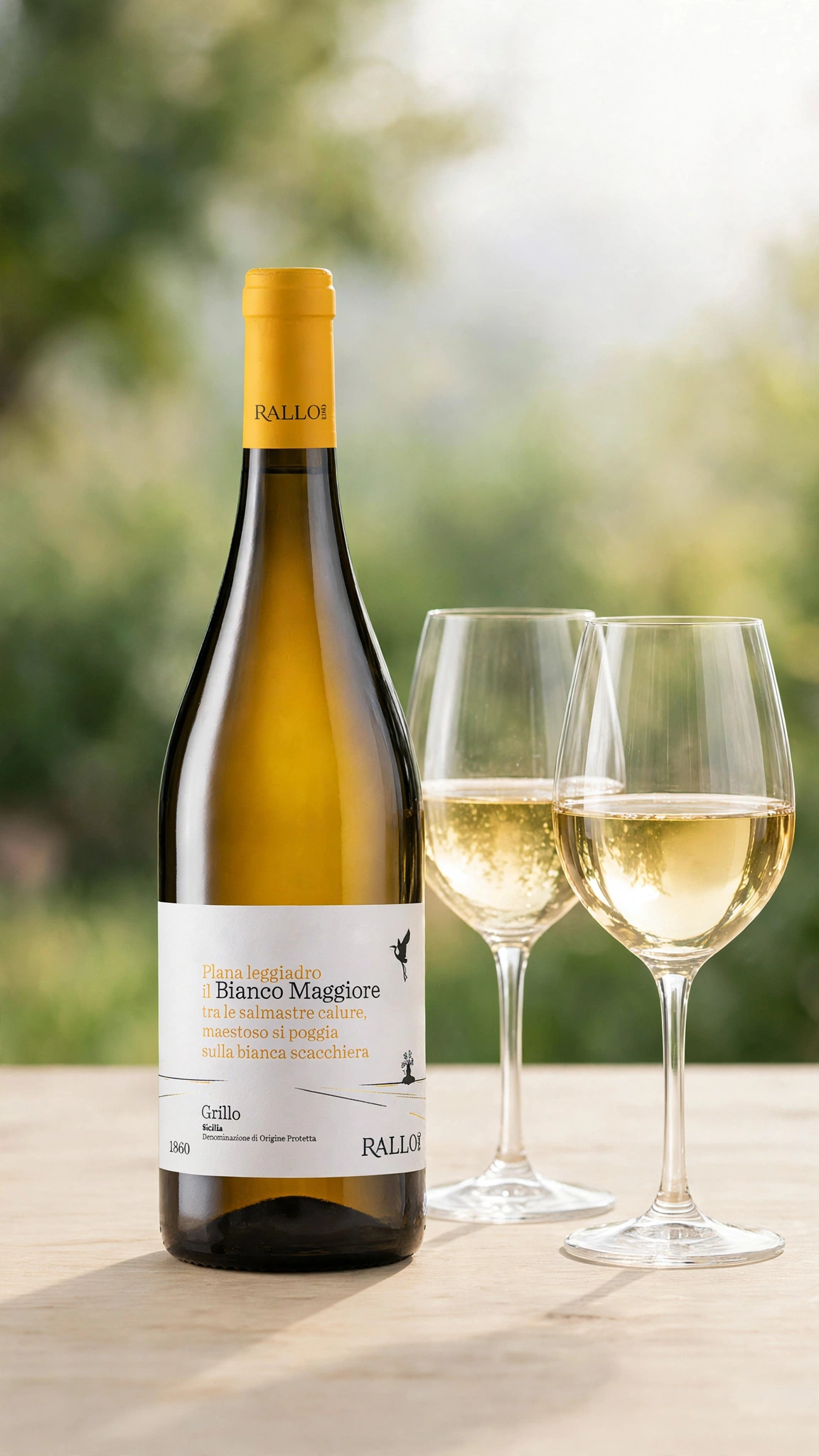
The 2026 Annual Report by Valoritalia captures how, in 2025, still white wines grew by 6.3%, rosés by 5.7% and sparkling wines by 1.7%, while red wines recorded a decline of more than 13%. The market is redrawing its preferences, and it is doing so by following a search for freshness, lightness, balance and drinkability — wines capable of accompanying new consumption habits, more attentive to the quality of the experience than to quantity, without sacrificing complexity or character.
Difficulties exist, and there would be little point in denying them. Rising production costs, economic uncertainty and competitive pressure all demand adaptability and strategic vision. However, the Mediobanca Report on the wine sector highlights that 58% of Italy’s leading producers expect sales growth in 2026, while 70% continue to regard the sector as attractive and full of opportunity. The paths forward now seem well defined: diversification of the offer, opening to new markets, sustainable innovation, more effective communication, growth in wine tourism and the building of an increasingly genuine relationship with the customer.
On the international front, according to Vinarius, it is above all non-European markets that are sustaining demand for premium Italian wines. The world continues to seek out quality Italian wine, recognising its cultural value as well as its intrinsic worth. The challenge today is not simply to export, but to reach those consumers with the right product, at the right moment, through a narrative that is credible and coherent.
In a continually evolving landscape, however, one element remains unchanged: the value of territory.
As the Vinbacco analysis of the Italian market highlights, competition is increasingly fought on the ability to express identity, guarantee qualitative continuity and manage sales channels effectively. In a single word: authenticity. Because territory is not merely a geographical origin — it is a heritage of culture, traditions, people and expertise that is reflected in the wine even before it is reflected in the words used to describe it.
This is a conviction that has accompanied our history for more than 160 years. A vision that has crossed generations, market shifts and changes in taste without ever losing its bond with its own origins. Today, in a context that increasingly rewards quality, distinctiveness and the ability to tell a true story, this heritage represents a resource more precious than ever.
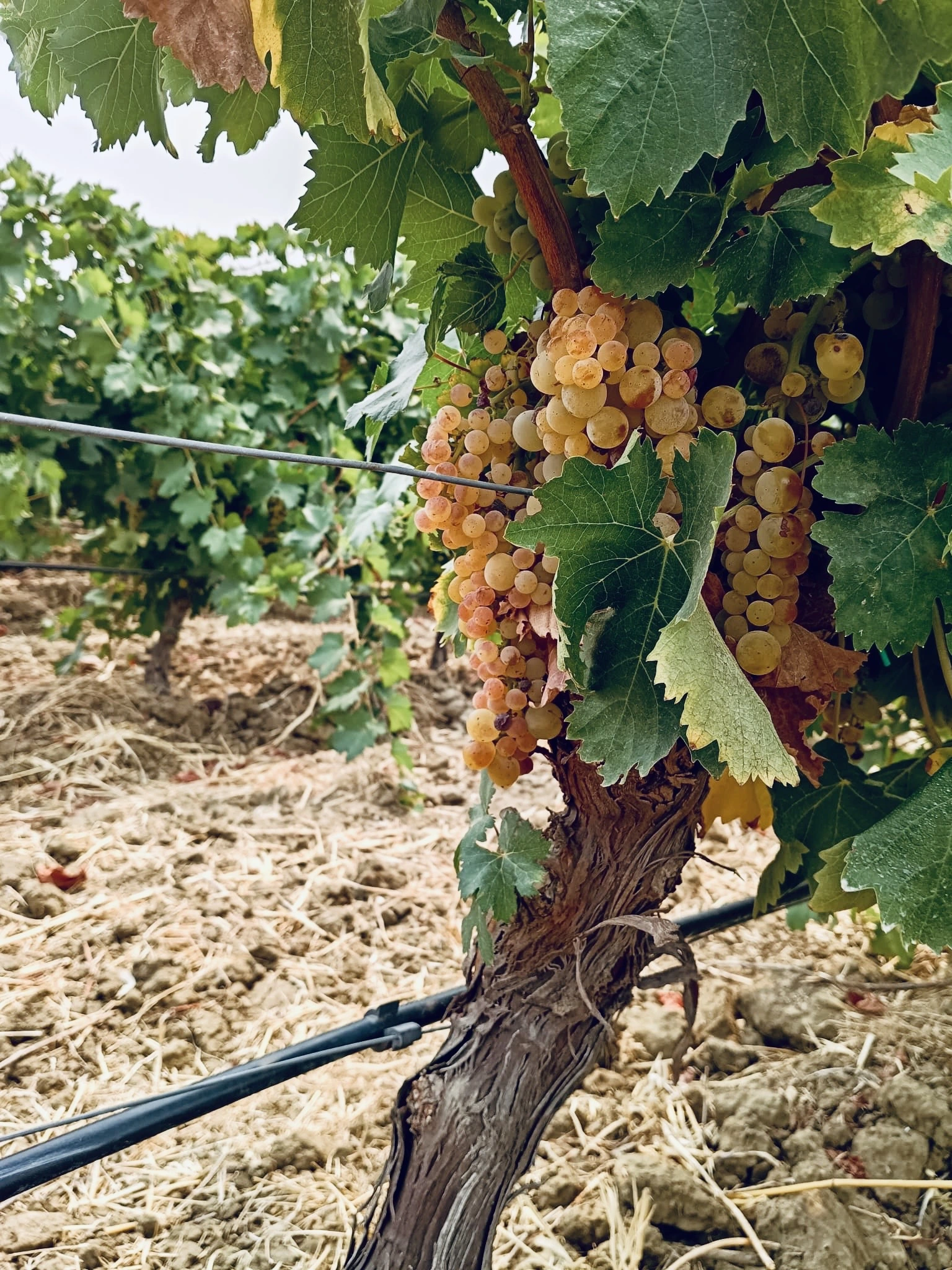
Rallo continues to look to the future by starting from its roots: Alcamo, Marsala, Pantelleria. Different yet profoundly complementary territories that hold within them the most authentic soul of Sicilian winemaking. Places that have always inspired our work and given voice to our wines.
Because we believe the future of wine does not belong to those who chase trends, but to those who know how to interpret change while remaining faithful to their own identity. And it is from that identity that we continue to build our tomorrow.