
Harvest 2026 – video
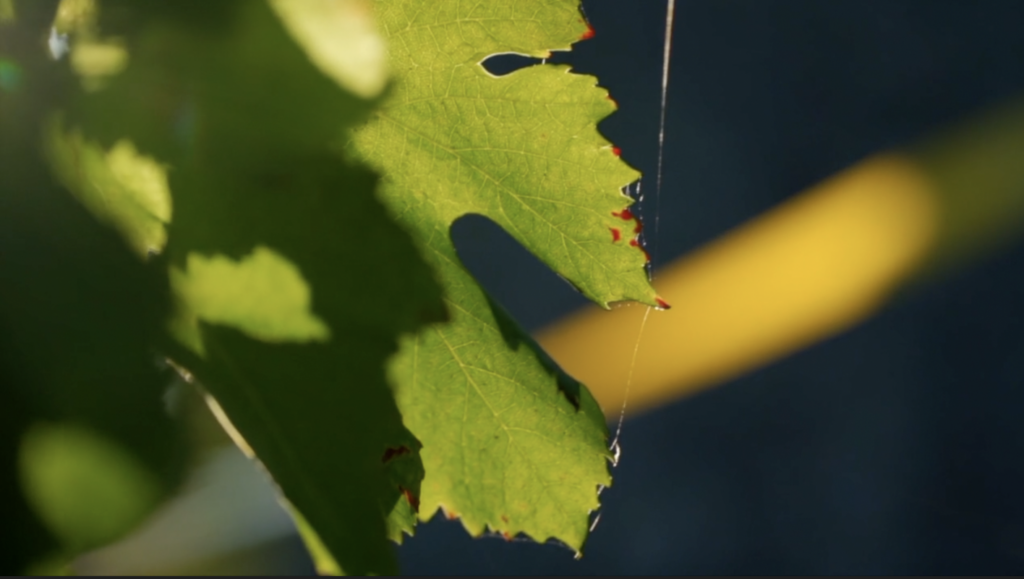
Through this video, we want to show you the 2026 harvest: dawn among the vines, the crates slowly filling, the patient work of those who return to the vineyard year after year. A story told in images of what the earth has given us, and of how we welcome it. https://youtu.be/7wWLF9NauDA?si=aD2V9lnawBGBdIlY Tutte le notizie uncategorizedVideoweblog Harvest 2026 – video Through this video, we want to show you the 2026 harvest: dawn among the vines, the crates slowly filling, the patient work of those who return to the vineyard year after year. A s weblog The 2026 Harvest at Rallo The harvest at Rallo began, as tradition dictates, with the picking of the white grapes: entirely by hand, with the bunches placed in small crates rather than large bins. It is a s weblog Are screw caps really second-rate? At the restaurant, the sommelier pulls out the bottle, presents it, and then… just a small metallic click. No corkscrew, no resistance from the cork, no “pop.” An uncategorized The WineHunter recognizes us once again Once again this year, Merano WineHunter has recognized our work in the vineyard and in the winery: three of our wines have received the prestigious WineHunter Award, earning a plac weblog Marsala is writing a new chapter in its history Marsala is writing a new chapter in its history. After more than 250 years, the denomination confirms itself as one of the strongest in the regional landscape, right after DOC Sici weblog Summer liquid gold August in the kitchen asks for no elaborate preparation: it asks for a ripe tomato cut in half, a fennel and orange salad, bread still fragrant from the oven. And it’s precis weblog Less Wine, More Value The president of Unione Italiana Vini, Lamberto Frescobaldi, said it plainly in an interview with Il Sole 24 Ore: Italian wine needs to cut production. Stock levels have surpassed weblog Toward the Harvest August brings an intense heat, felt this year across all of Europe, reminding us once again how central water management has become to the work of those who tend the land. In Sicil weblog Press kit 2026 PRESS KIT Tutte le notizie uncategorized Press kit 2026 weblog Strangers in One’s Own Home There is a form of disorientation that knows no forests or fog, that needs no cross
The 2026 Harvest at Rallo
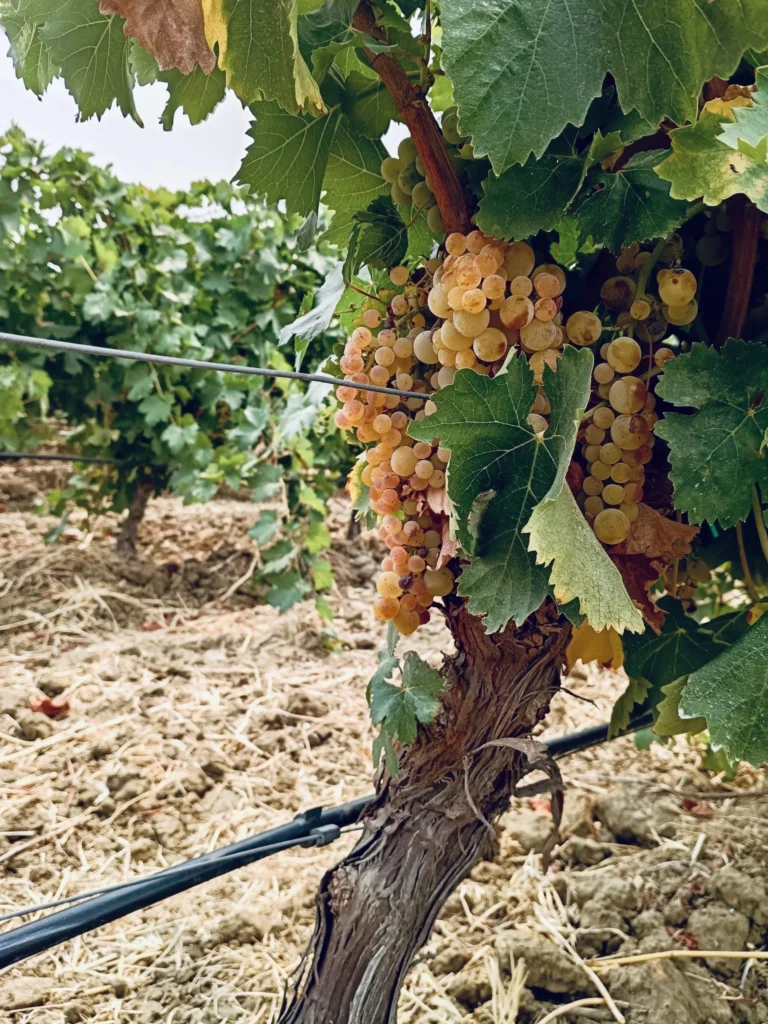
The harvest at Rallo began, as tradition dictates, with the picking of the white grapes: entirely by hand, with the bunches placed in small crates rather than large bins. It is a slower and more demanding method than mechanical harvesting, but it allows us to choose, bunch by bunch, only those in the best condition, preventing the berries from being crushed on the way to the winery and thus preserving the quality of the fruit. This year the heat was particularly intense, and the vines felt it. Despite a wonderful winter that gave us good reason for optimism, temperatures rose exceptionally as harvest approached. In a year like this, the decision to pick by hand proved even more valuable: it allowed us to select only the best grapes, limiting the damage caused by the heat and bringing to the winery fruit that was as healthy and intact as possible. It was not an easy harvest. Intense heat, widespread drops in yield and falling wine prices all came together, putting an entire sector under pressure. And yet, despite lower volumes and the difficulties linked to yield, the baseline health of the varieties typical of our land is excellent, and the grapes reached optimal ripeness: an important sign, which confirms our vineyards’ ability to respond to challenging climate conditions. Some events made this vintage harder still. Although they did not touch us directly, they deeply upset us: a truck that overturned carrying the entire day’s harvest, and a serious road accident in contrada Quaranta Salme, between Alcamo and Grisi, lands close to us, practically home, which tragically involved two people. These events remind us how much the work in the fields, often silent and taken for granted, carries real risks. In this sense, the state of the roads has long been a concrete obstacle for those who work the land, making travel difficult and access to our vineyards hard, even in an emergency. For this reason, we welcome with relief the news that the road has finally been repaired: a long-awaited intervention that restores safety and dignity to those who live and work in these countryside areas every day. Once the white grape harvest was complete, we moved on to the red varieties, which are generally later-ripening and have different needs. Monitoring in the vineyard continued day after day, assessing each time the optimal moment to pick each plot based on ripeness, acidity and the health of the vines: work made of constant observation, where every day of waiting or anticipating can make a difference in the glass. The harvest ended on September 28. Now we can draw up a complete assessment, with a clear picture of how the climate has affected the quantity and quality of the harvest, and which characteristics will define the 2026 vintage. We will continue to share with you not only the numbers, but also the challenges, the difficulties and the choices that, crate after crate, will shape the wine you will drink. Tutte le notizie uncategorizedVideoweblog Harvest 2026 – video Through this video, we want to show you the 2026 harvest: dawn among the vines, the crates slowly filling, the patient work of those who return to the vineyard year after year. A s weblog The 2026 Harvest at Rallo The harvest at Rallo began, as tradition dictates, with the picking of white grapes: entirely by hand, with the bunches placed in small crates rather than large containers. A slowe weblog Are screw caps really second-rate? At the restaurant, the sommelier pulls out the bottle, presents it, and then… just a small metallic click. No corkscrew, no resistance from the cork, no “pop.” An uncategorized The WineHunter recognizes us once again Once again this year, Merano WineHunter has recognized our work in the vineyard and in the winery: three of our wines have received the prestigious WineHunter Award, earning a plac weblog Marsala is writing a new chapter in its history Marsala is writing a new chapter in its history. After more than 250 years, the denomination confirms itself as one of the strongest in the regional landscape, right after DOC Sici weblog Summer liquid gold August in the kitchen asks for no elaborate preparation: it asks for a ripe tomato cut in half, a fennel and orange salad, bread still fragrant from the oven. And it’s precis weblog Less Wine, More Value The president of Unione Italiana Vini, Lamberto Frescobaldi, said it plainly in an interview with Il Sole 24 Ore: Italian wine needs to cut production. Stock levels have surpassed weblog Toward the Harvest August brings an intense heat, felt this year across all of Europe, reminding us once again how central water management has become to the work of those who tend the land. In Sicil weblog Press kit 2026 PRESS KIT Tutte le notizie uncategorized Press kit 2026 weblog Strangers in One’s Own Home There is a form of disorientation that knows no forests or fog, that needs no cross
Are screw caps really second-rate?
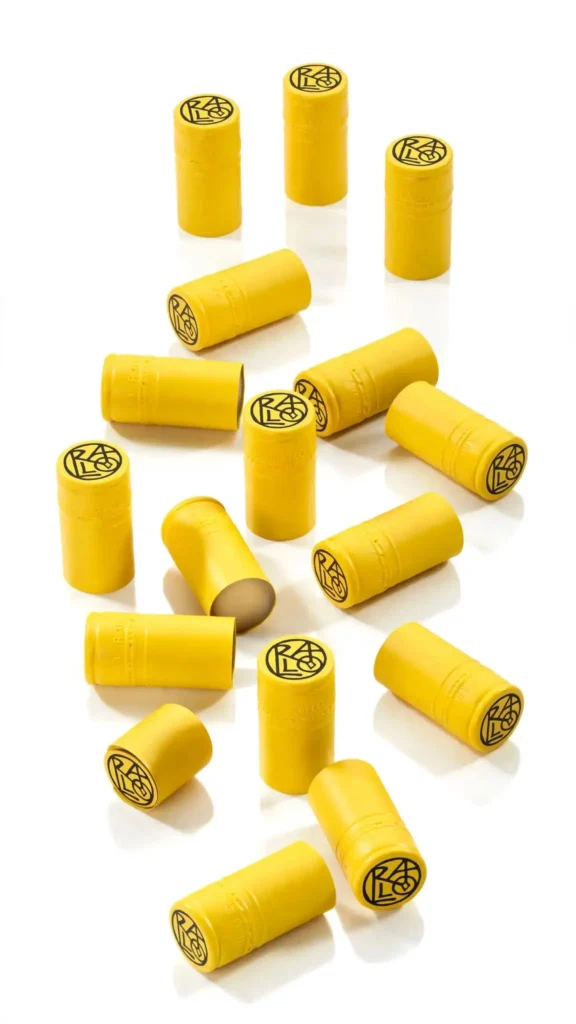
At the restaurant, the sommelier pulls out the bottle, presents it, and then… just a small metallic click. No corkscrew, no resistance from the cork, no “pop.” And on someone’s face, a silent question immediately appears: “So this wine must not be worth much?” It’s time to bust this myth. The answer is no: the screw cap is not a sign of poor quality at all. Let’s see why. Natural cork has an undeniable charm: it’s a noble, renewable material, tied to centuries of winemaking tradition. But it also has a structural flaw the industry has known about for decades: the risk of TCA (trichloroanisole) contamination, the molecule responsible for so-called “cork taint.” It only takes a small percentage of compromised bottles for, on a global scale, millions of bottles to reach consumers tainted — through no fault of the producer, and without the consumer ever knowing. The screw cap was created specifically to eliminate this technical problem. Not to cut costs on quality, but to guarantee it. The screw cap, often called by its commercial name Stelvin — the brand that made it popular — consists of an aluminum cap with an inner lining, usually polyethylene or tin, that ensures a proper seal. Its main feature is predictability: every bottle sealed the same way behaves identically, with minimal and constant oxygen exchange over time. Natural cork, by contrast, is an organic material and therefore inherently irregular: each cork has a slightly different porosity, meaning even bottles from the same batch can evolve differently from one another. This is not a niche solution. New Zealand adopted the screw cap on an almost universal scale for its Sauvignon Blanc and Riesling as early as the early 2000s, winning over even the most skeptical critics. Australia followed a similar path. In Europe, Austrian producers and some of the finest interpreters of German Riesling have used it for years on their flagship labels — including bottles intended for aging. If the screw cap still struggles to shake off its reputation as an “everyday wine” closure, the reason is purely cultural. The ritual of opening a bottle — the corkscrew, the resistance of the cork, the sound — is part of the sensory and emotional experience of drinking wine, especially in convivial or dining settings. Giving it up can feel, wrongly, like giving up part of the ritual itself. But the quality of a wine is measured in the glass, not in the closure. The logic is simple: for fresh, aromatic white wines designed to showcase fruit and minerality — just like Rallo’s — the absence of uncontrolled oxygenation is an advantage, not a limitation. The wine reaches the consumer exactly as the producer intended it in the cellar. So don’t be surprised if an upcoming Rallo wine is presented on the Italian market with a screw cap too — we really are considering it! The screw cap, then, is not a compromise: it’s a technology with its own specific advantages and equally specific limitations, just like cork. The real question to ask in front of a bottle shouldn’t be “what kind of closure does it have?” but rather “was this wine stored and sealed in the way best suited to its style?” Tutte le notizie uncategorized The WineHunter recognizes us once again Once again this year, Merano WineHunter has recognized our work in the vineyard and in the winery: three of our wines have received the prestigious WineHunter Award, earning a plac weblog Marsala is writing a new chapter in its history Marsala is writing a new chapter in its history. After more than 250 years, the denomination confirms itself as one of the strongest in the regional landscape, right after DOC Sici weblog Summer liquid gold August in the kitchen asks for no elaborate preparation: it asks for a ripe tomato cut in half, a fennel and orange salad, bread still fragrant from the oven. And it’s precis weblog Less Wine, More Value The president of Unione Italiana Vini, Lamberto Frescobaldi, said it plainly in an interview with Il Sole 24 Ore: Italian wine needs to cut production. Stock levels have surpassed weblog Toward the Harvest August brings an intense heat, felt this year across all of Europe, reminding us once again how central water management has become to the work of those who tend the land. In Sicil weblog Press kit 2026 PRESS KIT Tutte le notizie uncategorized Press kit 2026 weblog Strangers in One’s Own Home There is a form of disorientation that knows no forests or fog, that needs no cross weblog Strangers in One’s Own Home There is a form of disorientation that knows no forests or fog, that needs no crossroads or starless nights. It is the disorientation of those who inhabit a place without truly dwe weblog Three territory, bound by a single thread One way to know a wine is through its technical sheet — the grape variety, the alcohol, the serving temperature, the food pairings. But there is another way, slower and truer, th weblog The power of roots in a changing market There is a moment, in the life of any sector, when the numbers stop offering reassurance and begin asking questions. Italian wine has been living through this phase for several yea
Marsala is writing a new chapter in its history
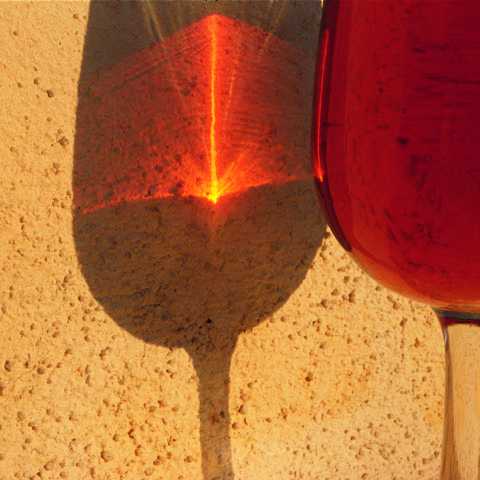
Marsala is writing a new chapter in its history. After more than 250 years, the denomination confirms itself as one of the strongest in the regional landscape, right after DOC Sicilia, with certified production growing compared to 2012 and a supply chain involving hundreds of grape growers across Marsala, Trapani and the surrounding territories. But the numbers tell only part of the story. The Consorzio di Tutela is working on a deeper revision: that of the very narrative of Marsala, no longer tied to a generic area, but to specific zones, each with its own identity. This is how the Unità Geografiche Aggiuntive (UGA) — Additional Geographic Units — came about: four distinct areas defined by soil, exposure and microclimate, designed to give voice back to the territories and the grape varieties that represent them, Grillo above all, alongside Catarratto and Inzolia. Another central element of this new phase concerns the different types and their relationship with time. While Marsala Fine — also widely used as a cooking ingredient — remains the most produced type, the sector’s promotional efforts are increasingly focused on the Superiore, Superiore Riserva and Vergine types: products that require years, sometimes decades, of ageing in the cellar before they can be called by their name. A wait that becomes value in itself, a testament to artisanal care and to a vision that looks far ahead. For a winery like Rallo, which has produced and safeguarded Marsala since 1860, this relaunch of the denomination is also an opportunity to reaffirm a way of understanding wine that never changes: rooted in the land, patient through time, authentic in substance. A story we continue to write, harvest after harvest. Tutte le notizie weblog Summer liquid gold August in the kitchen asks for no elaborate preparation: it asks for a ripe tomato cut in half, a fennel and orange salad, bread still fragrant from the oven. And it’s precis weblog Less Wine, More Value The president of Unione Italiana Vini, Lamberto Frescobaldi, said it plainly in an interview with Il Sole 24 Ore: Italian wine needs to cut production. Stock levels have surpassed weblog Toward the Harvest August brings an intense heat, felt this year across all of Europe, reminding us once again how central water management has become to the work of those who tend the land. In Sicil weblog Press kit 2026 PRESS KIT Tutte le notizie uncategorized Press kit 2026 weblog Strangers in One’s Own Home There is a form of disorientation that knows no forests or fog, that needs no cross weblog Strangers in One’s Own Home There is a form of disorientation that knows no forests or fog, that needs no crossroads or starless nights. It is the disorientation of those who inhabit a place without truly dwe weblog Three territory, bound by a single thread One way to know a wine is through its technical sheet — the grape variety, the alcohol, the serving temperature, the food pairings. But there is another way, slower and truer, th weblog The power of roots in a changing market There is a moment, in the life of any sector, when the numbers stop offering reassurance and begin asking questions. Italian wine has been living through this phase for several yea weblog The Summer White Wines There is a precise moment when summer stops being a promise and becomes a certainty. It is when the light changes — slows, turns golden — and the only possible answer is a cool weblog The Earth speaks A healthy bunch of grapes already contains everything needed to make a great wine.No corrections, no additives, no alchemy. Just respect. Organic farming is, above all, a matter of
Summer liquid gold

August in the kitchen asks for no elaborate preparation: it asks for a ripe tomato cut in half, a fennel and orange salad, bread still fragrant from the oven. And it’s precisely in these moments, when cooking sheds everything superfluous, that you discover what it’s truly made of — because when there’s nothing left to hide behind, every ingredient has to stand on its own. This is where Lòliomio comes in. It’s not a condiment added at the last moment out of habit. It’s the ingredient that decides the flavor of everything else. A drizzle of oil on an August tomato doesn’t just accompany it: it completes it, gives it voice, transforms three ingredients — bread, tomato, salt — into something that tastes of home and earth at once. Lòliomio comes from the same olive groves that have lived alongside our vineyards for generations, in the same landscape of sand and clay that gives character to our white wines. It’s a DOP, and that means something precise: its identity is tied to the territory in a way that’s non-negotiable, certified, recognizable in every bottle. The olives are harvested at exactly the right moment to preserve their aromatic component and that peppery note that marks a living oil, not one numbed by time. Milling happens cold, within hours of harvest, so that nothing the olive had to say is lost. The result is an intense green oil, with hints of freshly cut grass and artichoke, and a structure you feel in the mouth even before the nose: round at first, then assertive, with a peppery finish that cleanses the palate and calls for the next bite. Lòliomio is born from the same philosophy that guides every one of our wines: let the land speak without interference, without additions, without shortcuts. It’s not an oil meant to go unnoticed at the back of the pantry — it’s meant to be poured generously, tasted with attention, talked about with whoever is sitting at the same table. This August, before opening a bottle, try pouring Lòliomio over whatever’s already on your table. Sometimes the essential doesn’t need to be white. Sometimes, it just needs to be true. Tutte le notizie weblog Summer liquid gold weblog Less Wine, More Value The president of Unione Italiana Vini, Lamberto Frescobaldi, said it plainly in an interview with Il Sole 24 Ore: Italian wine needs to cut production. Stock levels have surpassed weblog Toward the Harvest August brings an intense heat, felt this year across all of Europe, reminding us once again how central water management has become to the work of those who tend the land. In Sicil weblog Press kit 2026 PRESS KIT Tutte le notizie uncategorized Press kit 2026 weblog Strangers in One’s Own Home There is a form of disorientation that knows no forests or fog, that needs no cross weblog Strangers in One’s Own Home There is a form of disorientation that knows no forests or fog, that needs no crossroads or starless nights. It is the disorientation of those who inhabit a place without truly dwe weblog Three territory, bound by a single thread One way to know a wine is through its technical sheet — the grape variety, the alcohol, the serving temperature, the food pairings. But there is another way, slower and truer, th weblog The power of roots in a changing market There is a moment, in the life of any sector, when the numbers stop offering reassurance and begin asking questions. Italian wine has been living through this phase for several yea weblog The Summer White Wines There is a precise moment when summer stops being a promise and becomes a certainty. It is when the light changes — slows, turns golden — and the only possible answer is a cool weblog The Earth speaks A healthy bunch of grapes already contains everything needed to make a great wine.No corrections, no additives, no alchemy. Just respect. Organic farming is, above all, a matter of
Less Wine, More Value

The president of Unione Italiana Vini, Lamberto Frescobaldi, said it plainly in an interview with Il Sole 24 Ore: Italian wine needs to cut production. Stock levels have surpassed 53.4 million hectoliters, including musts — the equivalent of an entire reserve harvest already sitting in cellars — while prices for designation-of-origin wines have fallen by an average of 10% compared to the previous year. Frescobaldi’s proposed remedy is clear: a temporary halt to new vineyard planting authorizations, reduced yields even for DOP and IGP wines, updated production regulations, and a more effective penalty system. “Prices for Italian DOC wines are down 10%,” Frescobaldi stated, “that’s a symptom that something isn’t working. We need to reduce production and raise quality. And we need stricter controls.” One point in particular deserves attention: according to Frescobaldi, producing less isn’t necessarily a bad thing. Compared to the late 1980s, Italy today produces far less wine, and per capita consumption has dropped by roughly two-thirds — yet the sector’s revenue has more than doubled. The message is clear: today, growth in the industry comes from adding value to the product, not from volume. On the restaurant front, Frescobaldi doesn’t settle for oversimplification. He finds that wine prices in restaurants are too often too high, but is quick to clarify that he doesn’t mean restaurateurs are making huge profits. He’s not pointing a finger at the Ho.re.ca. supply chain, but flagging an imbalance in how value is perceived by the end consumer. The real issue, then, isn’t just “how much does wine cost at a restaurant,” but the difficulty of getting a price recognized as consistent with quality across the entire supply chain, from producer to wine list. It’s a conversation worth pursuing with the Ho.re.ca. sector too: not about “markups to call out,” but about working together on training, communication, and the perception of value across the whole chain — because price sustainability is part of the same battle for quality. Rallo 1860 was born in Marsala and grew across the territories of Alcamo, Marsala, and Pantelleria, following a philosophy that, in effect, has long anticipated the direction now coming from the top of the industry: focusing on quality and territorial identity rather than quantity. Our designations tell the story of precise places, and it’s exactly this specificity that, according to Frescobaldi, is the path the entire sector should follow to move beyond overproduction: less confusion among the hundreds of Italian designations, and more recognition for those that truly communicate a territory. But if we look at Sicilian wine, this reflection takes on an even sharper and thornier meaning. Because the Sicily that the market knows and talks about is, in fact, a partial Sicily: western Sicily — Marsala and Alcamo — the lands that for centuries built the island’s winemaking reputation on their own, are currently left out of that story. Not for lack of quality: for lack of voice, the very same voice that once made the word “Marsala” the first great Italian designation to conquer the world, and that today must be raised again, louder than before. And it’s in this gap that the challenge lies for those who, like Rallo 1860, work from and within these territories: to show that specificity isn’t a luxury reserved for a handful of already-established designations, but a possible — indeed necessary — choice, even for a land that still has to reclaim its right to be told as a place, as an identity. The story of a winery like ours, rooted since 1860 in the heart of western Sicily, reminds us that true resilience comes from a bond with the land and the ability to tell its story with authenticity. We’ve been trying, for over 160 years. Tutte le notizie weblog Less Wine, More Value The president of Unione Italiana Vini, Lamberto Frescobaldi, said it bluntly in an interview with Il Sole 24 Ore: Italian wine needs to cut production. Stockpiles have surpassed 53 weblog Toward the Harvest August brings an intense heat, felt this year across all of Europe, reminding us once again how central water management has become to the work of those who tend the land. In Sicil weblog Press kit 2026 PRESS KIT Tutte le notizie uncategorized Press kit 2026 weblog Strangers in One’s Own Home There is a form of disorientation that knows no forests or fog, that needs no cross weblog Strangers in One’s Own Home There is a form of disorientation that knows no forests or fog, that needs no crossroads or starless nights. It is the disorientation of those who inhabit a place without truly dwe weblog Three territory, bound by a single thread One way to know a wine is through its technical sheet — the grape variety, the alcohol, the serving temperature, the food pairings. But there is another way, slower and truer, th weblog The power of roots in a changing market There is a moment, in the life of any sector, when the numbers stop offering reassurance and begin asking questions. Italian wine has been living through this phase for several yea weblog The Summer White Wines There is a precise moment when summer stops being a promise and becomes a certainty. It is when the light changes — slows, turns golden — and the only possible answer is a cool weblog The Earth speaks A healthy bunch of grapes already contains everything needed to make a great wine.No corrections, no additives, no alchemy. Just respect. Organic farming is, above all, a matter of weblog Mediterranean Identity There is a word that comes up often when people talk about Sicilian wine: identity. It is used a great deal, sometimes carelessly, as a label to stick on any bottle with a dialect
Toward the Harvest

August brings an intense heat, felt this year across all of Europe, reminding us once again how central water management has become to the work of those who tend the land. In Sicily, this is nothing new: it’s a lesson our vineyards learned long ago. At Pattipiccolo, as throughout the Alcamo hinterland, our native vines once again show their resilient nature. These are grapes born of this land, grapes that know how to answer it: deep roots, adaptability, a balance built over centuries between vine and Mediterranean climate. Even in the hottest vintages, they know how to preserve their identity. In the vineyard, attention becomes more focused: we observe the plants, read the soil’s water levels, evaluate the signals that every leaf and every cluster communicate. It is work built on sensitivity and experience, where modern technology walks alongside the knowledge of those who have walked these rows for a lifetime. It is not a battle against the climate, but a continuous dialogue: understanding when to intervene, and when to let the plant find its own balance. The leaves hold the clusters the way one holds something precious in their hands. We are now just days away from the harvest, and anyone who has lived among the vine rows knows it has a flavor all its own: one of waiting, and of responsibility. These days, time is measured differently. Not by the clock, but by the refractometer, by the morning light on the skins, by the scent rising from the vineyards in the early hours, when the air is still cool and the grapes have not yet fully woken. The preparation work is long and methodical. Shears are readied, crates carefully arranged, the refrigerated truck is called. Preparing for the harvest also means preparing for what comes after: the work in the cellar, the choice of yeasts, the moment when we decide that a wine has said everything it had to say and can finally rest. But first comes the waiting. And waiting is never empty. It is full of a whole year’s work, the pruning in February, the spring rains, the choices made in moments when no one was watching. The harvest is simply the moment when all of this becomes visible, tangible, real. We are ready. The vineyard has been ready for months. We expect the 2026 harvest, like every Sicilian vintage, to tell its own story and, once again, to return to the glass the authentic character of our land. In the coming weeks, we’ll be sharing the harvest as it unfolds, territory by territory. And we look forward to welcoming you to the cellar too, if you’d like to see up close how a wine is born. Tutte le notizie weblog Toward the Harvest August brings an intense heat, felt this year across all of Europe, reminding us once again how central water management has become to the work of those who tend the land. In Sicil weblog Press kit 2026 PRESS KIT Tutte le notizie uncategorized Press kit 2026 weblog Strangers in One’s Own Home There is a form of disorientation that knows no forests or fog, that needs no cross weblog Strangers in One’s Own Home There is a form of disorientation that knows no forests or fog, that needs no crossroads or starless nights. It is the disorientation of those who inhabit a place without truly dwe weblog Three territory, bound by a single thread One way to know a wine is through its technical sheet — the grape variety, the alcohol, the serving temperature, the food pairings. But there is another way, slower and truer, th weblog The power of roots in a changing market There is a moment, in the life of any sector, when the numbers stop offering reassurance and begin asking questions. Italian wine has been living through this phase for several yea weblog The Summer White Wines There is a precise moment when summer stops being a promise and becomes a certainty. It is when the light changes — slows, turns golden — and the only possible answer is a cool weblog The Earth speaks A healthy bunch of grapes already contains everything needed to make a great wine.No corrections, no additives, no alchemy. Just respect. Organic farming is, above all, a matter of weblog Mediterranean Identity There is a word that comes up often when people talk about Sicilian wine: identity. It is used a great deal, sometimes carelessly, as a label to stick on any bottle with a dialect weblog A territory, three stories There is one grape variety that tells the story of Sicily better than any other: Catarratto.Deep roots in tradition, a rare ability to mirror its territory faithfully — and alway
Press kit 2026

PRESS KIT Tutte le notizie uncategorized Press kit 2026 weblog Strangers in One’s Own Home There is a form of disorientation that knows no forests or fog, that needs no crossroads or starless nights. It is the disorientation of those who inhabit a place without truly dwe weblog Three territory, bound by a single thread One way to know a wine is through its technical sheet — the grape variety, the alcohol, the serving temperature, the food pairings. But there is another way, slower and truer, th weblog The power of roots in a changing market There is a moment, in the life of any sector, when the numbers stop offering reassurance and begin asking questions. Italian wine has been living through this phase for several yea weblog The Summer White Wines There is a precise moment when summer stops being a promise and becomes a certainty. It is when the light changes — slows, turns golden — and the only possible answer is a cool weblog The Earth speaks A healthy bunch of grapes already contains everything needed to make a great wine.No corrections, no additives, no alchemy. Just respect. Organic farming is, above all, a matter of weblog Mediterranean Identity There is a word that comes up often when people talk about Sicilian wine: identity. It is used a great deal, sometimes carelessly, as a label to stick on any bottle with a dialect weblog A territory, three stories There is one grape variety that tells the story of Sicily better than any other: Catarratto.Deep roots in tradition, a rare ability to mirror its territory faithfully — and alway weblog Wine Paris 2026 Wine Paris 2026 The most important international wine fair has just concluded, and once again Rallo Azienda Agricola took part with the Sicilian delegation, supported by IRVO (
Strangers in One’s Own Home

There is a form of disorientation that knows no forests or fog, that needs no crossroads or starless nights. It is the disorientation of those who inhabit a place without truly dwelling in it, who walk the same streets every day and cannot make them their own, as if the ground beneath their feet always belonged to someone else. The modern city welcomes us, but on the condition that we not touch it. It allows us to pass through it, to consume it, to fund it with our presence, but not to leave a trace there. A flower planted in a public flowerbed is a violation. A handwritten sign on a pole is vandalism. A person sleeping on a bench is a problem to be solved. Public space has become, over time, a space without a public: perfectly regulated, perfectly foreign. And so contemporary man lives in an environment he cannot shape, one that bears no mark of his hands, that does not answer to his gaze. He is granted, at most, sovereignty over the four walls of his home, which he can repaint, furnish, transform — but it is there, within those walls, that he spends the smallest part of his day. The rest of his time belongs to offices designed by someone else and streets planned by someone else. He lives, in essence, as a guest. As a stranger in a place that bears his own address. This is not merely a problem of urban aesthetics or poorly conceived public policy. It concerns the very structure of human experience. When we cannot leave an imprint on a place, when the space carries no memory of us, we cannot orient ourselves within it — not in the geographic sense, but in the older and more essential one: the sense of knowing where we are, who we are, what we belong to. Contemporary urban space has been conceived as a grid: neutral, measurable, interchangeable. But man does not orient himself by grids; he orients himself by signs, by thresholds, by stories carved into walls, by habits that settle into corners. One lives in a place without belonging to it. One passes through, consumes, forgets. And the place, bearing no trace of us, forgets in turn. Perhaps this is the sharpest paradox of urban modernity: that the environment in which man has invested the most — in concrete, in planning, in regulation — has become the one in which he feels least at home. And yet there are those who have not lost themselves. Those who have never stopped treating the land as an interlocutor, not as a backdrop. The winemaker — and with him, anyone who works the land with intention — still knows the ancient gesture of shaping a place according to his own vision and judgment. He chooses the cultivar he believes right for that soil, that light, that history. He decides the orientation of the rows, the shape of the bush vine or the trellis, the variety of roses to plant at the row’s end. Every stake, every tie, every graft is a signature. It is a continuous dialogue between the one who dwells and that which is dwelt in. In the vineyard, space answers back. It allows itself to be changed, transforms, carries the memory of the choices made by those who tend it and those who tended it before. An old vineyard is a stratification of human decisions, of seasons interpreted, of mistakes corrected and instincts confirmed. It is, in the fullest sense, an inhabited environment: not passed through, not consumed, but understood and shaped with care. This is the lifeboat in a sea of concrete. Not a rural nostalgia, not a romantic escape from the city, but the reminder that man still knows, when allowed, how to build belonging. That the sense of place is not a lost inheritance but a dormant capacity, ready to awaken wherever hands can still leave a trace and the earth is willing to receive it. Whoever makes wine, whoever tends a vineyard with respect and intention, is not merely a producer. He is, perhaps without knowing it, the custodian of something larger: the proof that man and his environment can still recognize one another, speak to one another, belong to one another. And that from that recognition something good can be born in a glass — yes, but even before that, in the soul of the one who has not lost his way. Tutte le notizie weblog Strangers in One’s Own Home There is a form of disorientation that knows no forests or fog, that needs no crossroads or starless nights. It is the disorientation of those who inhabit a place without truly dwe weblog Three territory, bound by a single thread One way to know a wine is through its technical sheet — the grape variety, the alcohol, the serving temperature, the food pairings. But there is another way, slower and truer, th weblog The power of roots in a changing market There is a moment, in the life of any sector, when the numbers stop offering reassurance and begin asking questions. Italian wine has been living through this phase for several yea weblog The Summer White Wines There is a precise moment when summer stops being a promise and becomes a certainty. It is when the light changes — slows, turns golden — and the only possible answer is a cool weblog The Earth speaks A healthy bunch of grapes already contains everything needed to make a great wine.No corrections, no additives, no alchemy. Just respect. Organic farming is, above all, a matter of weblog Mediterranean Identity There is a word that comes up often when people talk about Sicilian wine: identity. It is used a great deal, sometimes carelessly, as a label to stick on any bottle with a dialect weblog A territory, three stories There is one grape variety that tells the story of Sicily better than any other: Catarratto.Deep roots in tradition,
Three territory, bound by a single thread

One way to know a wine is through its technical sheet — the grape variety, the alcohol, the serving temperature, the food pairings. But there is another way, slower and truer, that passes through the territory. Through the soil beneath your feet, the air you breathe, the light that shifts depending on where you are. We make wine in three different places, and each of those places has a voice of its own. Three landscapes, three climates, three sensations that cannot be put into words without losing something — but we try all the same. Patti Piccolo, in Alcamo, is a contrada you reach by leaving the town behind, turning your back on the coast and the sound of the sea. The hills of the Trapani interior open here into wide, silent panoramas, marked by rows of vines — mostly Catarratto — and the occasional small house or tool shed: quiet traces of human presence in the landscape, as unassuming as those who work the land without needing to announce themselves. The climate is that of the Sicilian interior: hot summers tempered by wind, nights that cool just enough, a diurnal range that makes the difference between a flat wine and a living one. The soil is sandy on the hillsides, increasingly clayey as you descend — tenacious, generous only to those who work it with patience. Patti Piccolo in July means feeling the heat rise from the ground and the wind that holds it in balance. It means watching the clusters ripen slowly, with that quiet progression that resembles the growth of things destined to last. The sensory experience is one of suspension between high summer and anticipation. In the glass, that tension becomes citrus freshness, salinity, a drinkability that seems almost guileless and yet conceals a precise underlying structure. Moving toward the western coast, the landscape changes completely. The hills give way to the plain, the horizon opens all the way to the sea, and the air turns salty — not metaphorically, but physically: the wind that arrives from the Stagnone carries the salt of the salt flats, deposits it on the vines, enters the Grillo that has grown here for generations. Le Piane Liquide is exactly this: a territory where vineyard and sea regard each other at close range, where the light reflected off the water is unlike any other — white, flat, dazzling in the way particular to western Sicily. The summer is long, hot, dry. The wind is constant, almost obsessive, a maestrale that asks no permission and that, over time, has shaped both the landscape and the vines themselves. The Grillo that grows here carries all of this with it: the minerality of salt, the luminosity of the sea, a salinity that cannot be achieved in the winery but only through years of living in this specific place. To drink a Bianco Maggiore or La Maggiore with your eyes closed is, in some way, to stand looking out over the Stagnone. And then there is Pantelleria. And Pantelleria is something else entirely. A volcanic island seventy kilometres from Africa, where the wind blows with such force that it has compelled the vines to grow low, almost lying against the lava soil, in a training system — the alberello pantesco — recognised by UNESCO as a heritage of humanity. The earth is black, volcanic, porous. The soil absorbs heat during the day and releases it at night, creating a microclimate unlike any other. Zibibbo, the Muscat of Alexandria, grows here as it grows nowhere else — concentrated, aromatic, capable of expressing aromas of dried apricot, figs, honey and Mediterranean herbs that seem to arrive from another time. To stand in the vineyard on Pantelleria is to understand immediately why certain wines are possible only there. This is not romanticism: it is agronomy, geology, history. It is a place that gets inside you before you even open the bottle. The thread that holds it all together. Three territories so different from one another might seem like a contradiction for a single winery. In reality they are its greatest wealth and its highest responsibility. Because working in three such distinct places means you cannot afford a single answer that works for all of them. It means listening to each vineyard for what it is, without forcing it to become something else. The thread that connects Alcamo, Marsala and Pantelleria is not a style, not a technique. It is an attitude: the conviction that the best wine is the one that knows where it was born — and shows it in the glass, without needing to explain itself. Tutte le notizie weblog The Summer White Wines There is a precise moment when summer stops being a promise and becomes a certainty. It is when the light changes — slows, turns golden — and the only possible answer is a cool weblog The Earth speaks A healthy bunch of grapes already contains everything needed to make a great wine.No corrections, no additives, no alchemy. Just respect. Organic farming is, above all, a matter of weblog Mediterranean Identity There is a word that comes up often when people talk about Sicilian wine: identity. It is used a great deal, sometimes carelessly, as a label to stick on any bottle with a dialect weblog A territory, three stories There is one grape variety that tells the story of Sicily better than any other: Catarratto.Deep roots in tradition, a rare ability to mirror its territory faithfully — and alway weblog Wine Paris 2026 Wine Paris 2026 The most important international wine fair has just concluded, and once again Rallo Azienda Agricola took part with the Sicilian delegation, supported by IRVO ( weblog Harvest 2025 Harvest 2025 The 2025 vintage was characterized by a more abundant rainfall regime compared to the previous year, with precipitation concentrated mainly during the winter months of weblog Rallo Discover, Mosella 22-25 novembre 2024 Rallo Discover, Mosella 22-25 novembre 2024 Once upon a time there was a winding river, flowing through