
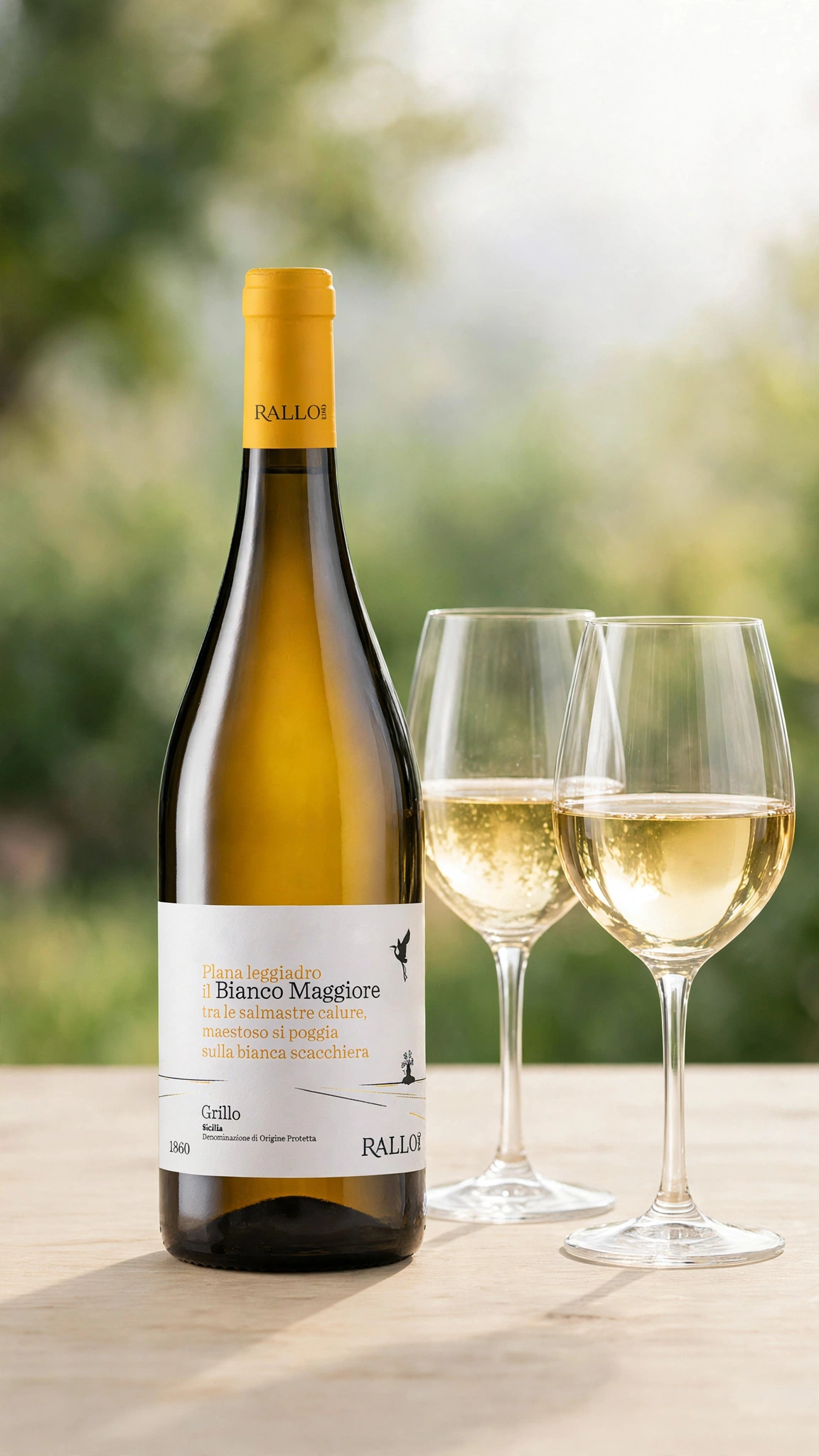
How to store an open bottle of wine
It happens to everyone: you open a bottle, pour a couple of glasses, and the rest sits there on the table, waiting for another occasion. But wine changes when it comes into contact
Rallo Recognized as a Historic Brand
We are proud to announce that Rallo has been awarded the status of Historic Brand of National Interest (Marchio Storico di interesse nazionale), the title that Italy’s Ministry o
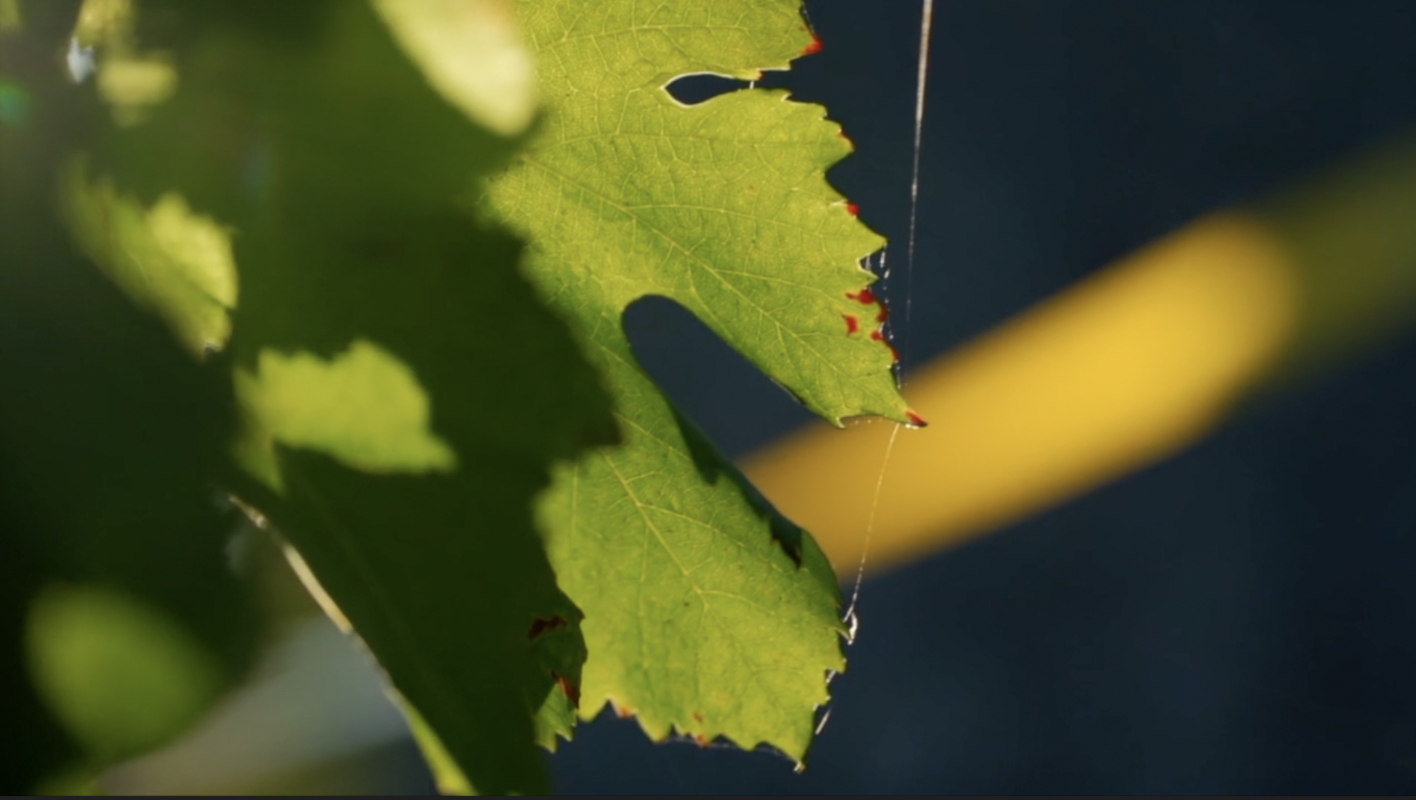
Harvest 2026 – video
Through this video, we want to show you the 2026 harvest: dawn among the vines, the crates slowly filling, the patient work of those who return to the vineyard year after year. A s
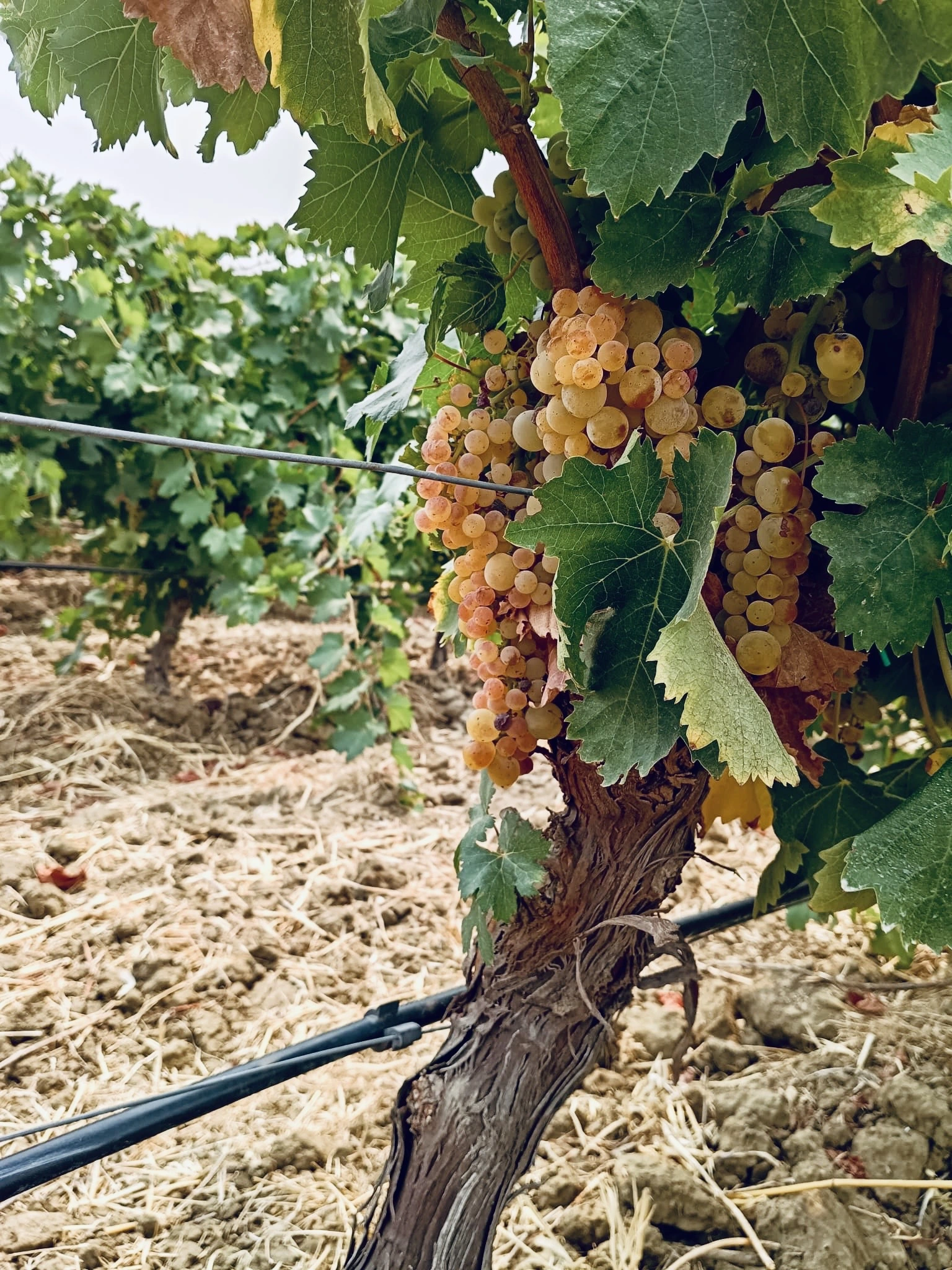
The 2026 Harvest at Rallo
The harvest at Rallo began, as tradition dictates, with the picking of the white grapes: entirely by hand, with the bunches placed in small crates rather than large bins. It is a s
Are screw caps really second-rate?
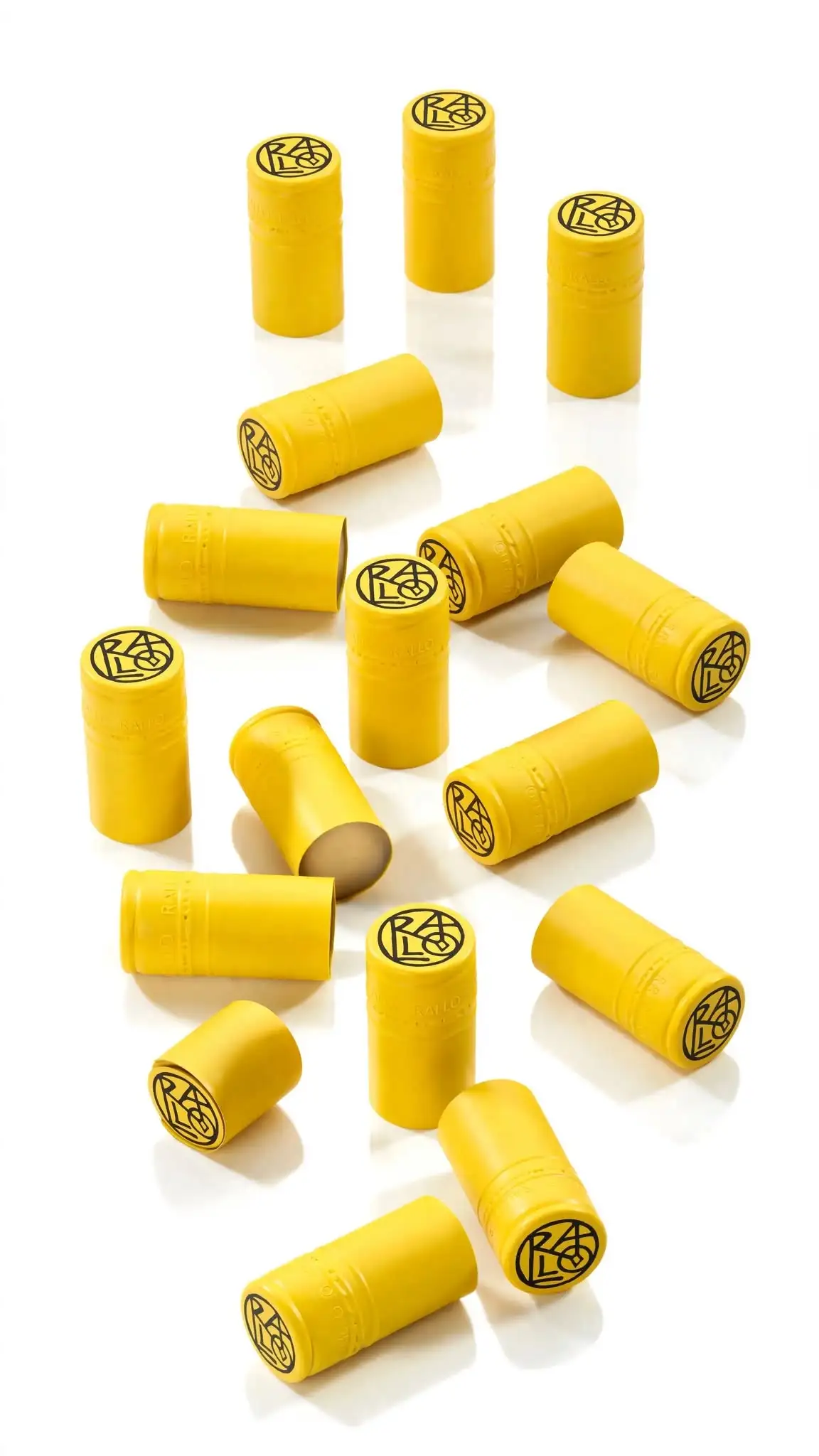
At the restaurant, the sommelier pulls out the bottle, presents it, and then… just a small metallic click. No corkscrew, no resistance from the cork, no “pop.” An
The WineHunter recognizes us once again
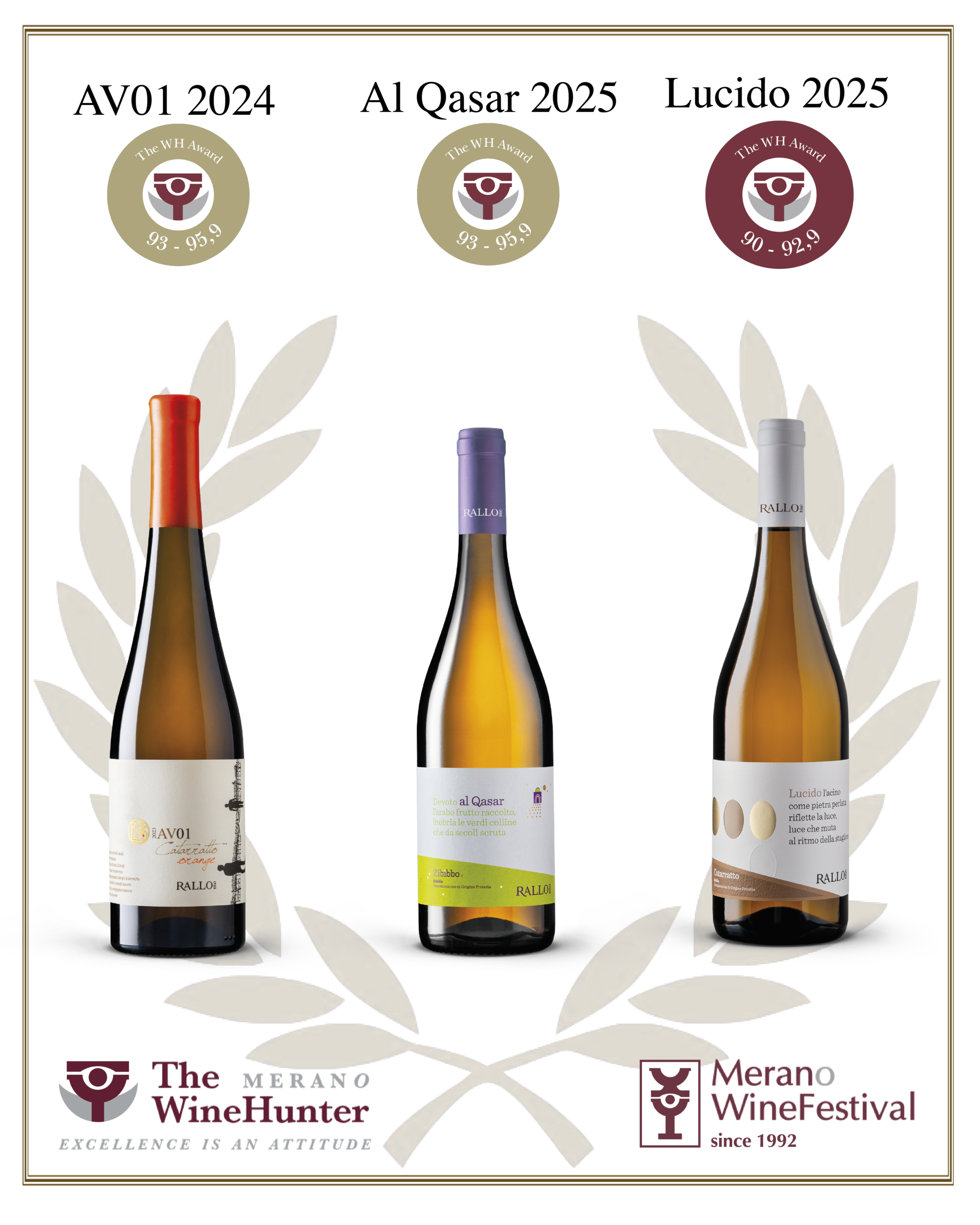
Once again this year, Merano WineHunter has recognized our work in the vineyard and in the winery: three of our wines have received the prestigious WineHunter Award, earning a plac
Marsala is writing a new chapter in its history
Marsala is writing a new chapter in its history. After more than 250 years, the denomination confirms itself as one of the strongest in the regional landscape, right after DOC Sici

Summer liquid gold
August in the kitchen asks for no elaborate preparation: it asks for a ripe tomato cut in half, a fennel and orange salad, bread still fragrant from the oven. And it’s precis

Less Wine, More Value
The president of Unione Italiana Vini, Lamberto Frescobaldi, said it plainly in an interview with Il Sole 24 Ore: Italian wine needs to cut production. Stock levels have surpassed